
MILSATCOM for the most critical no-fail missions
With multiple nuclear-capable threats and space itself being a contested domain, assured and protected MILSATCOM are more critical than ever before.

With multiple nuclear-capable threats and space itself being a contested domain, assured and protected MILSATCOM are more critical than ever before.

The satellites carry a handful of different payloads, including the two US Space Force Enhanced Polar System-Recapitalization jam-resistant communication payloads, an X-band communications payload for Norway's Ministry of Defence, and a Ka-band payload for commercial firm Viasat.


Traditional thinking about how to protect facilities must adapt to new threats such as drones or downstream attacks.

"This is not only new; it's astounding. It's shocking. It's a huge change (if adopted)," one industry contractor told Breaking Defense of the proposal.
Check out our latest eBook collection to learn how US Space Force aims to expand.
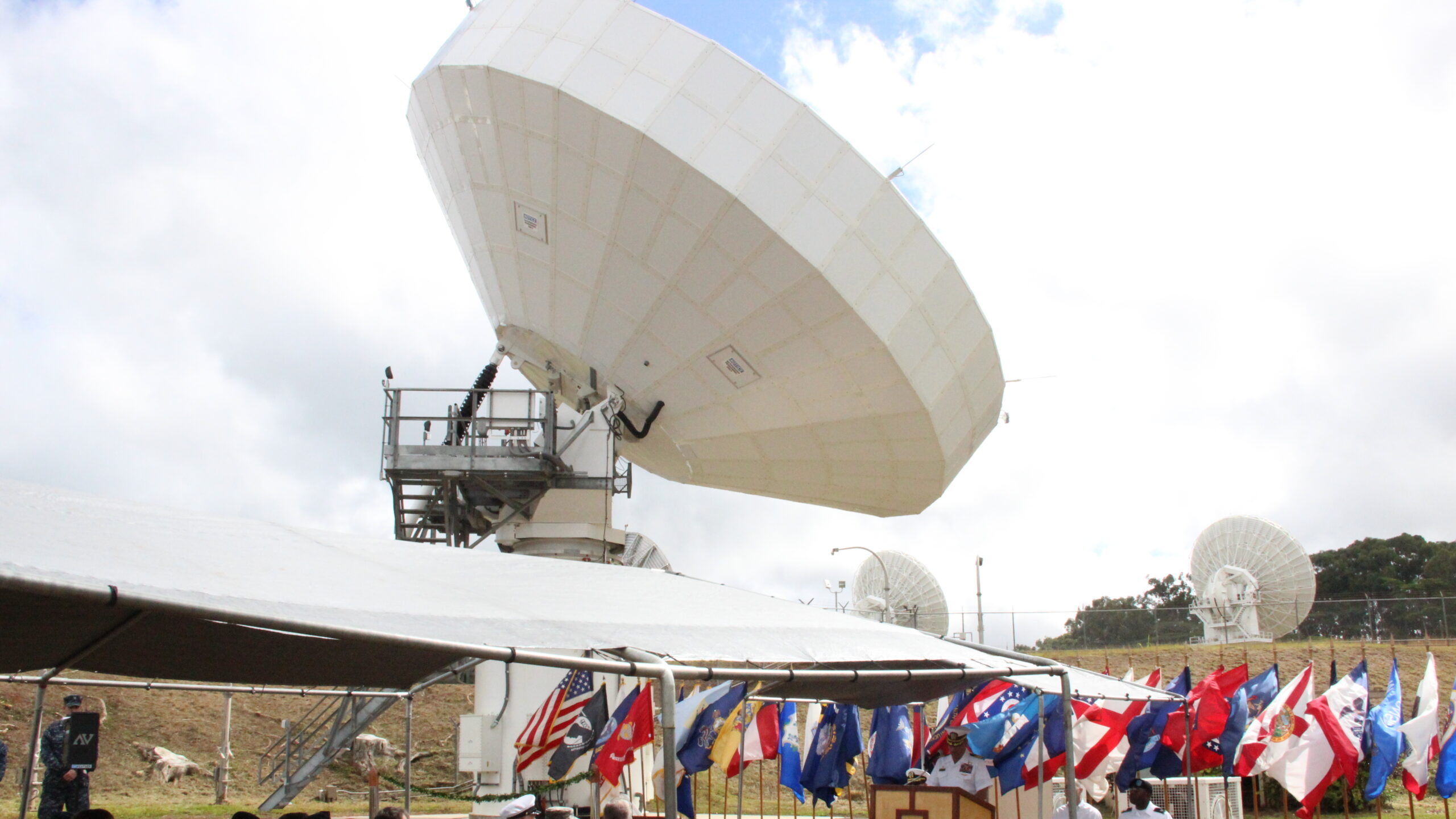
The new plan is broken down into three imperatives: integrating data management, automating resource allocation and fusing situational awareness.

“We have seen a massive flow of commercial SATCOM capabilities come into theater and in many ways that has enabled us to kind of spread out our MILSATCOM capabilities and take advantage of those commercial SATCOM capabilities,” Brig. Gen. Chad Raduege said. “That has driven its own unique lesson learned in that we often don’t have quite the insight on the commercial side that we have on the military side."


As threats continue to evolve, speed will increasingly depend on what is already available when the need emerges.
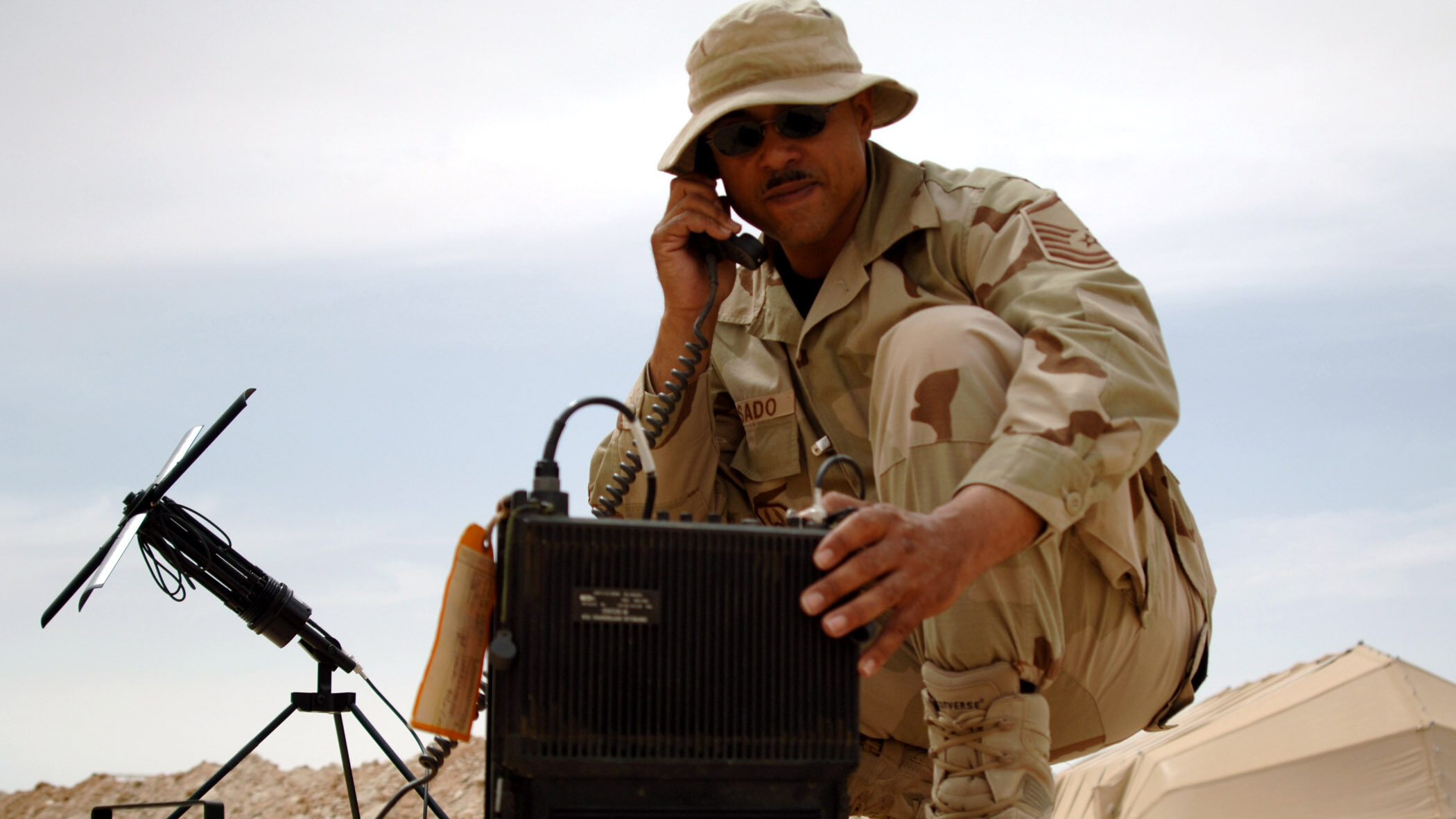
The annual "State of Military Communications Technology" poll finds that only about a third of repondents believed that the Pentagon was moving quickly enough to adopt commercial technology and streamlined acquisition rules to be able to make necessary upgrades quickly.

SWAC Director Andrew Cox joked that his office would be "building Pinocchios" if it can't move its blueprints for change into real-boy programs with funding behind them.

Govini's Billy Fabian said that for some JADC2 problems, the DoD has a "closing window... before the next generation of capabilities are too far along in development. Otherwise, it risks making its interoperability challenges even worse."


The U.S. Space Force’s Space Systems Command and Raytheon Intelligence & Space are enhancing mission management and mission-data processing to shift the focus of GPS operations from satellite command and control to basic, user-oriented effects-based operation.


A commitment to long-term operational value.

Gen. Jay Raymond, Space Force chief, stressed that the new digital vision applies not just to service acquisition, but to everything the newest military service does, with a bottom-line goal of speeding decision-making.

The sixth ABMS onramp "was going to be in partnership with Australia, and allies and partners, in the Pacific Rim," Air Force Chief Architect Preston Dunlap said, but "just due to the budget constraints, we had to pull the plug on that."
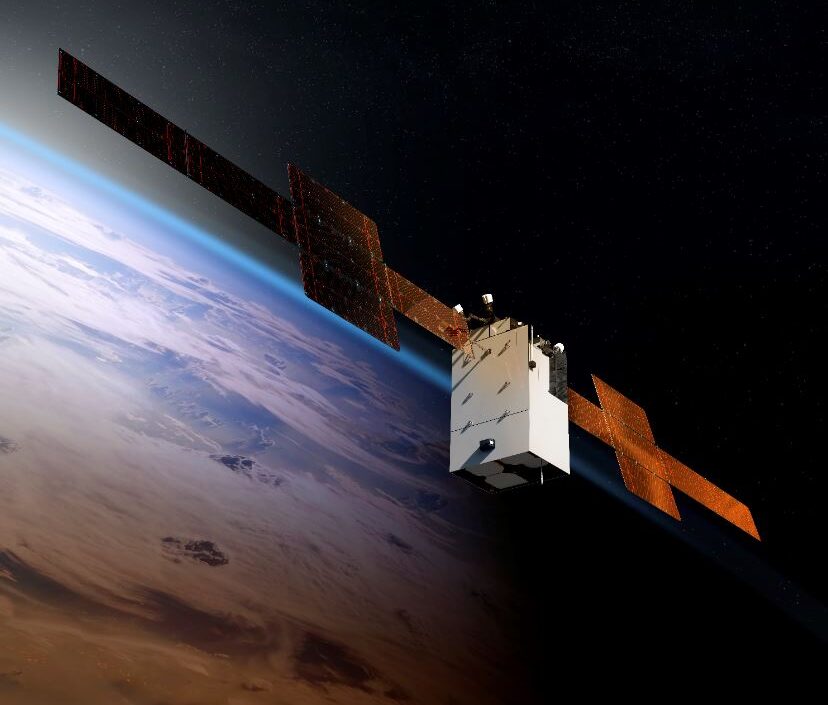
"The Joint Force depends upon SATCOM communication services as part of its JADC2 and Internet of Things," says Maj. Gen. Kim Crider, Space Force acting technology innovation officer.

SMC is "working on innovative relationships with, believe it or not, the Netherlands and Luxembourg, and some other places you wouldn't think of as traditional spacefaring nations," says Gen. DT Thompson, Space Force vice.